Our Partners In This Initiative


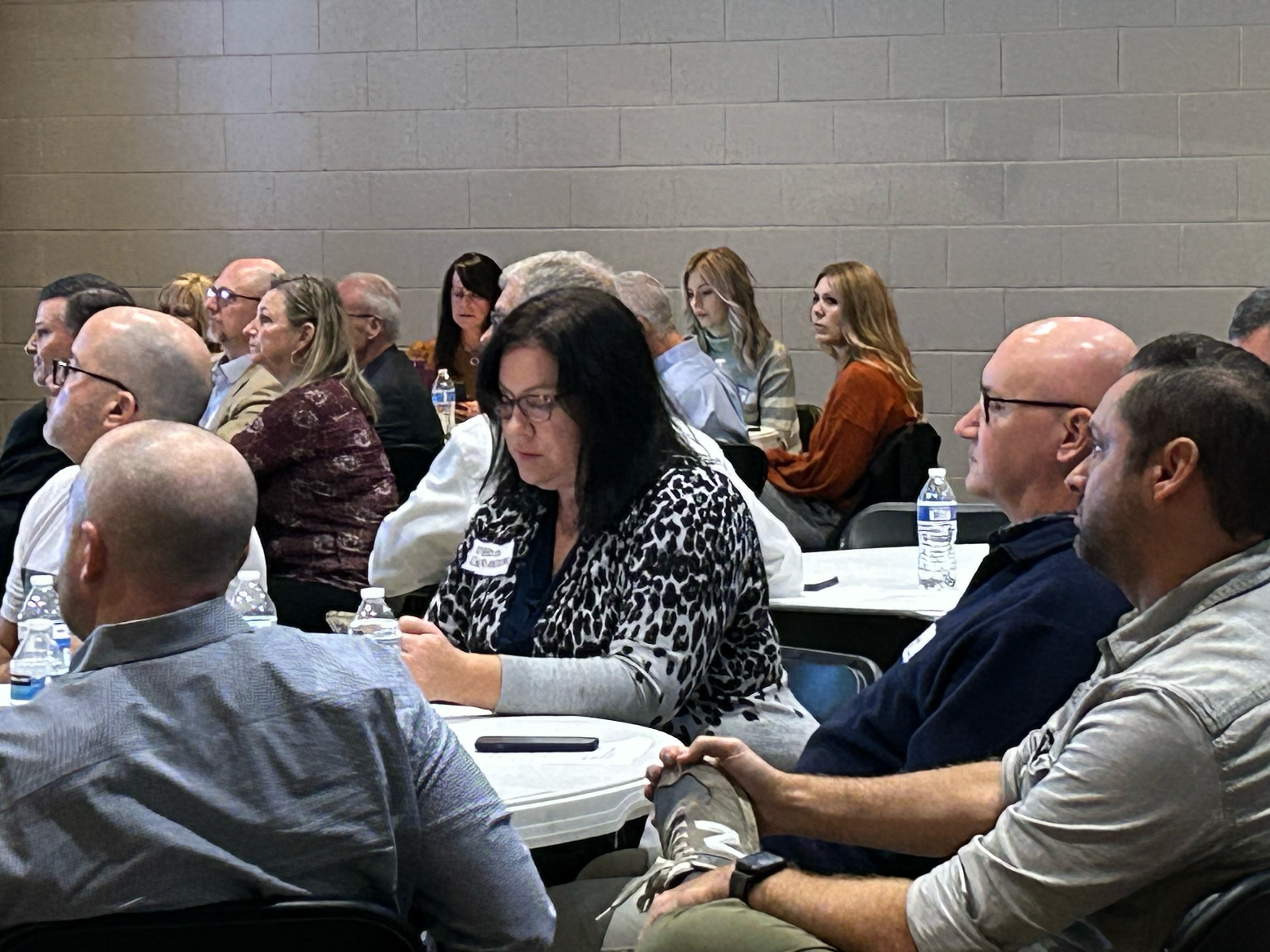
Working together to find creative solutions
There is no "one size fits all" solution that will provide all of the housing needed in Livingston County and across the country. Housing Catalysts is bringing the local community together to find more creative ways to develop more housing that people can afford.
The people who work in this county can't afford to live here
Teachers, factory workers, single parents, recent graduates, and young families increasingly can't find a home they can afford in Livingston County, even with steady jobs. In fact, over 70% of the people who work in Livingston County can't afford to live here. Rents have climbed faster than paychecks, and the gap keeps widening.

Everyone should have access to attainable housing.
A Livingston County housing study is guiding the way
Good solutions start with a clear picture. We're completing a county-wide housing study to understand exactly where the gaps are, and where new homes will do the most good.
Phase 1
CompleteThe groundwork: mapping current conditions, needs, and the scale of the shortage across the county.
Phase 2
Nearing completionDigging deeper into zoning in each unique municipality, well underway and almost finished.
Full study
{{ studyYear }}The complete picture: a detailed action plan for attainable housing that partners across the county can implement together.
Questions we hear a lot
What does Housing Catalysts actually do?
Housing Catalysts is the countywide initiative Community Catalysts leads with community partners: work groups developing and implementing a shared work plan to move attainable housing forward across Livingston County.
How can my city, employer or organization get involved?
Join a work group, partner on a project, or help fund one. Municipalities, employers, faith communities and non-profits all have a seat at the table — reach out through our contact page and we will find the right fit.
What counts as "lower income" in Livingston County?
Roughly $55,000 or less for a single wage earner. That includes many of the people our community depends on every day — and 48% of residents are housing cost burdened, paying more than 30% of their income for housing.
When will the county housing study be finished?
The full study is expected by year-end 2026. We are sharing findings as each phase completes, and the finished study will give every partner in the county a detailed action plan for attainable housing.
Stay in the loop
Get housing updates, project news, and ways to help delivered to your inbox.
{{ nlMsg }}
By signing up you agree to our Terms and Conditions.